Schwartz & Hazlett Pittsburgh Pa
Schwartz & Haslett
Pittsburgh Penna
James E. Schwartz and John Haslett Jr., Pittsburgh, Pennsylvania
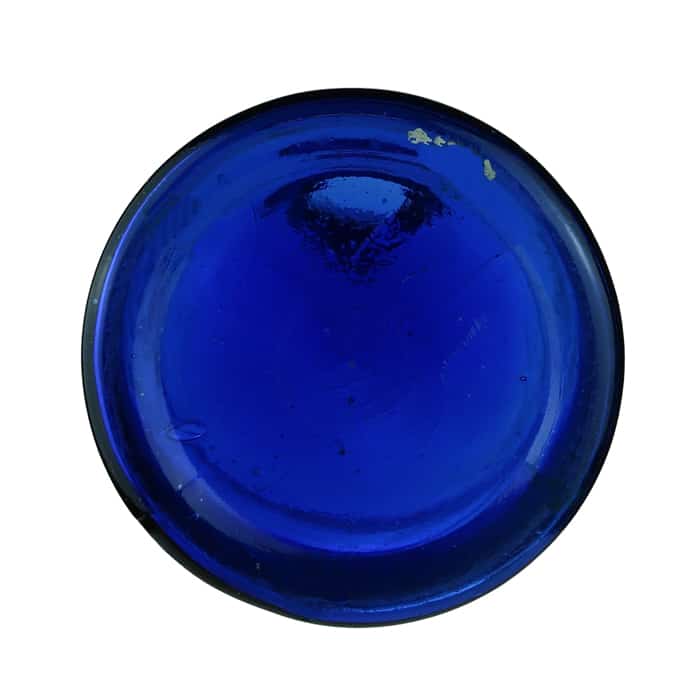
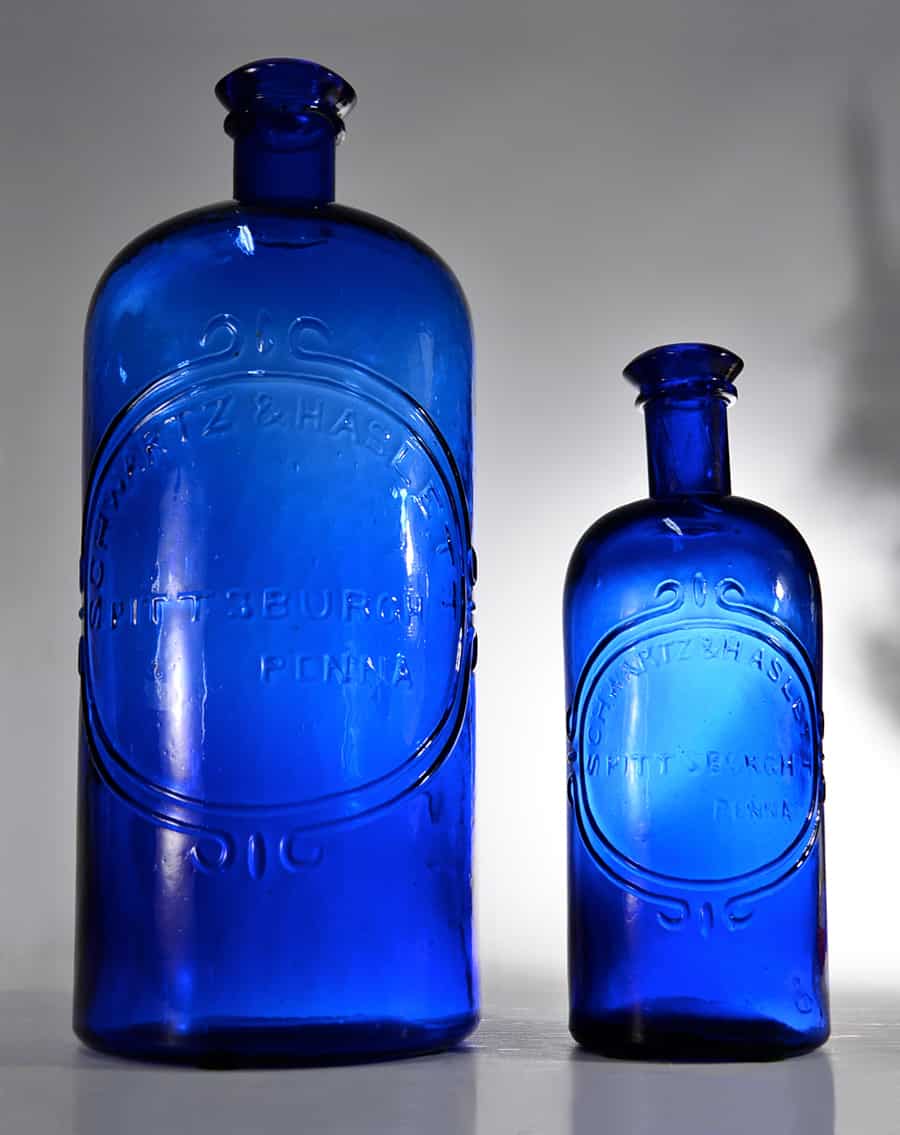
Half Gallon Cobalt Blue Druggist Bottle
Provenance: Chip Cable Collection
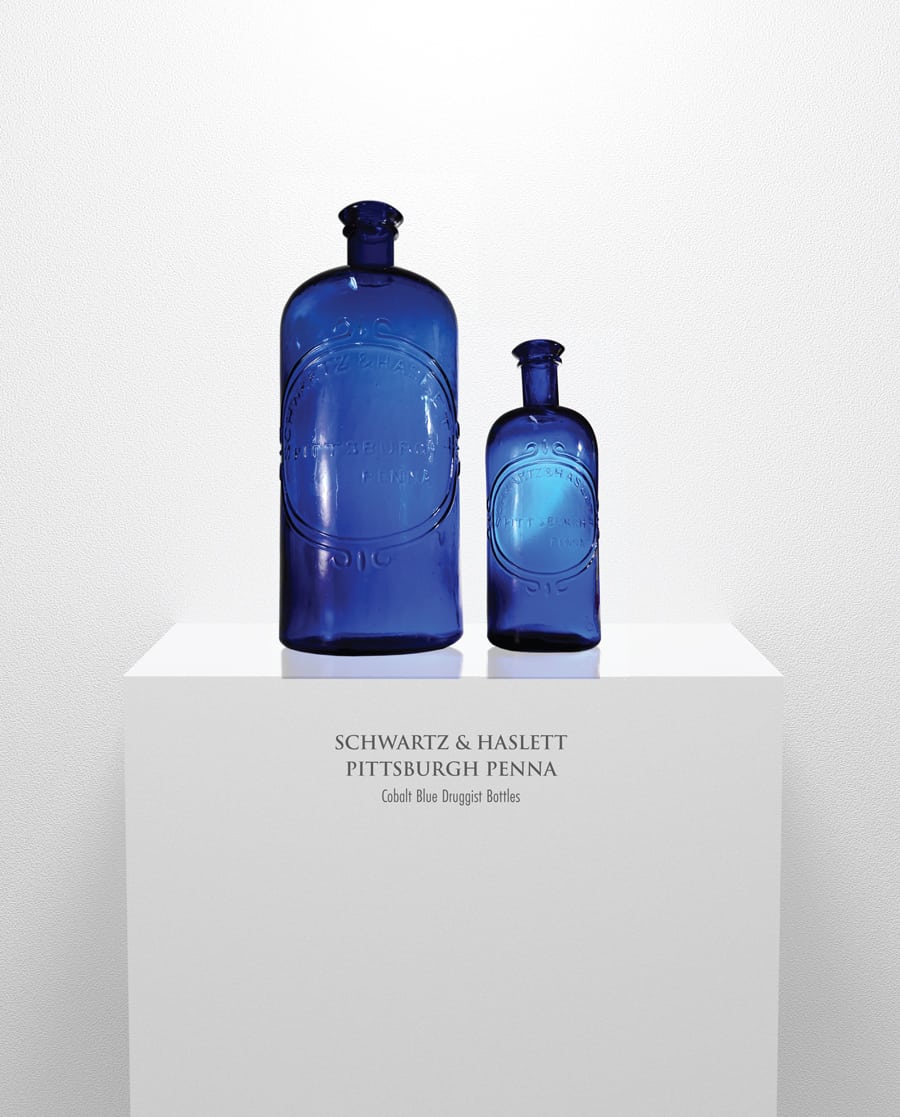
James E. Schwartz and John Haslett Jr. were partners together for less than a year in Pittsburgh, Pennsylvania. They ordered and used two beautiful druggist bottles displaying their names during that time. Both are embossed ‘SCHWARTZ & HASLETT PITTSBURGH PENNA’ on the face in a sans serif typestyle set within an embossed vertical decorative oval frame. There are two known examples of the pint. A friend of the consignor purchased the half gallon at a house sale for $2 and said the person was nice enough to work out a trade with him. It is the only known example.
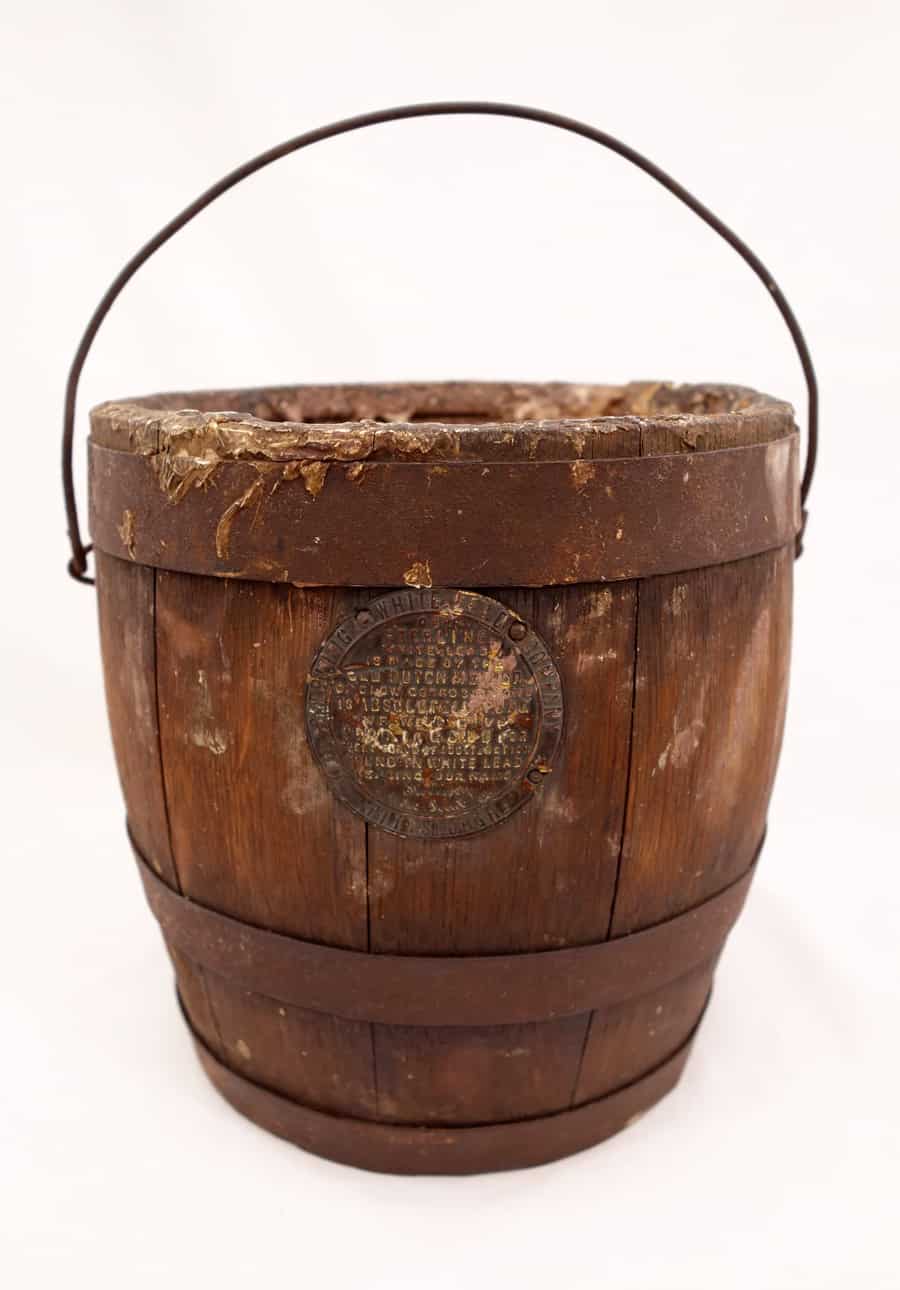
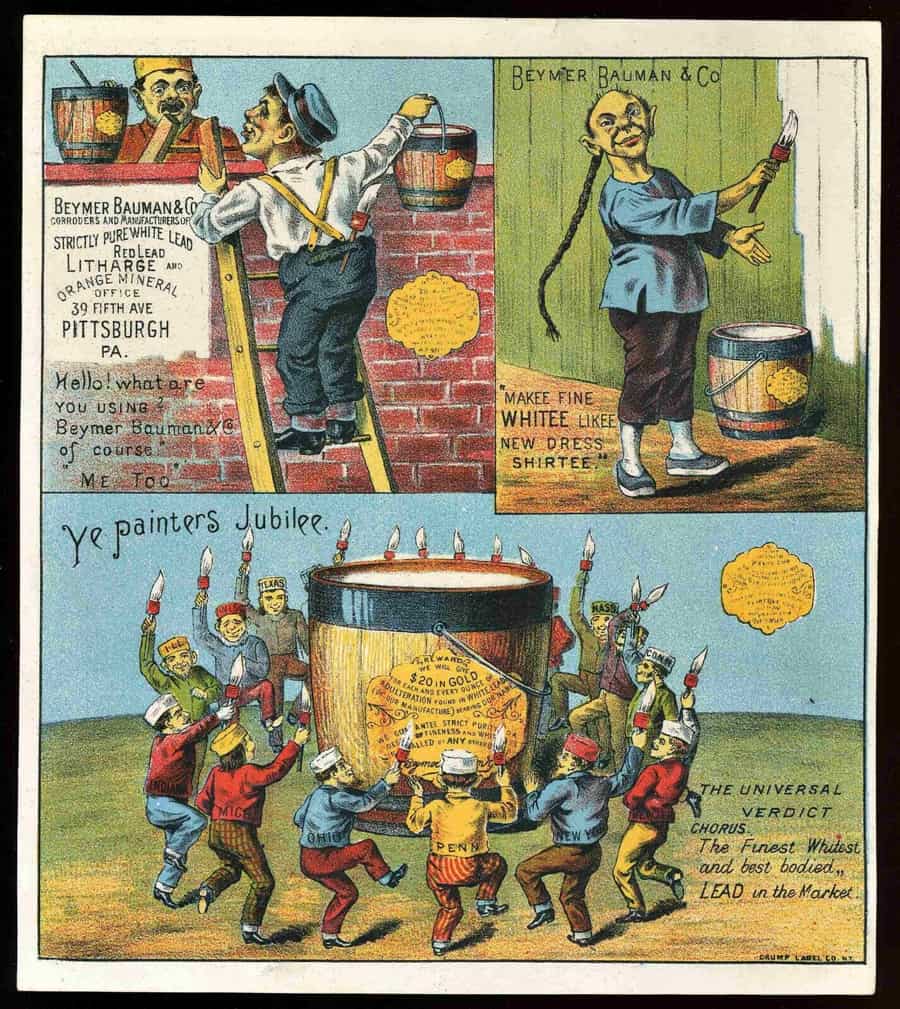
John Haslett Jr. was born around 1820 in Pennsylvania. The family successfully ran a white lead factory described as being located at Bank Lane and North Viaduct in Pittsburgh. The white lead would be processed and sold as paint, eventually leading to the well-known brand Dutch Boy Pure White Lead Paint. During the early period, customers would purchase lead paint base, boiled linseed oil, pure thinner and other related products straight from the manufacturer. Sometimes color additives and driers were added to the compounds sold in wooden cans with metal labels. The paint was mixed on site, usually in large drums, often with ungloved bare hands. The smell was described as “atrocious.” The paint usually dried in three days or so if applied properly. Done incorrectly, old “legends” lead us to believe it may not completely dry, especially if it rained on one of those crucial drying days. Lead paint and lead products mainly had disappeared by the 1970s via regulation, as they tended to cause lead poisoning. Its use has been banned in most countries, but to this day, some renovation contractors are removing lead paint from older homes and businesses, which attests to lead longevity and danger.
John Haslett Jr. would join up with B. A. Fahnestock Son & Co. and James E. Schwartz, a local druggist, in 1866 as Fahnestock, Haslett & Schwartz. They were listed as white lead manufacturers specializing in the manufacturing and distribution of paints and oils produced at the Haslett factory and with an office at First Avenue and Wood Streets in Pittsburgh. Fahnestock & Co. were well-known importers and wholesale dealers in drugs, patent medicines, paints, oils, dye-stuffs, glassware, and many other items, with offices in Philadelphia and New York.
See the museum example of a B. A. Fahnestock & Co. Ink bottle.
Benjamin A. Fahnestock first marketed a Vermifuge in Pittsburgh about 1830 and subsequently described the product in an advertisement as “There can not be any better evidence offered of its efficacy, than its constantly increasing reputation…its remedial virtues are not confined to the United States, but there is constant demand for it from England, South America, West Indies, etc., where it is extensively used.” Fahnestock’s Vermifuge contained castor oil, wormseed, anise, turpentine, and tincture of myrrh. Fahnestock also served as a general agent for other proprietary medicines, including Dr. Alfred Gale’s Anodyne of Opium and Burnett’s Extracts. Upon the death of B. A. Fahnestock in 1863, George Fahnestock operated the company as B. A. Fahnestock’s Son & Co. until he died in 1868.
Fahnestock, Haslett & Schwartz would continue to operate up to 1875, making white and red lead. During this period, James E. Schwartz and John Haslett Jr. ran a parallel business and partnered under the banner Schwartz & Haslett, making and selling medicines in 1870. They were listed in the Pittsburgh city directory in two places; as druggists located at Wood & First Ave. and Paints and Oils at the same address. This 1870 relationship dates our subject cobalt blue bottles. The pair were also the proprietors and used a bottle embossed “C. F. Galton’s Dyspepsia Remedy, Schwartz & Haslett, Pittsburgh, Pa.” The medium-to-deep amber bottle is 7 ¾ inches tall, square with beveled corners, and has an applied sloping collar with a smooth base. The bottle is considered extremely rare, with two or three known examples. The Schwartz and Haslett bottles were most likely made at one of the Pittsburgh District glasshouses.
John Haslett died on March 7, 1870. James E. Schwartz continued with the Fahnestock, Haslett & Schwartz white lead business and assumed the rights to Fahnestock Vermifuge with an alternate directory listing in 1875 as J. E. Schwartz & Co., Fahnestock’s Vermifuge, 137 First Ave. Various Fahnestock companies would continue to operate for many years in Pittsburgh.
Primary Image: “Schwartz & Haslett Pittsburgh Penna” half-gallon druggist bottle imaged on location by Alan DeMaison, FOHBC Virtual Museum Midwest Studio.
Support: Reference to Schwartz & Haslett. Pittsburgh, Pennsylvania, January 1870-October 1870 – Archival Collections at Hagley Museum & Library.
Support: Reference to The Fahnestock Companies by Bill Lockhart, Beau Schriever, Bill Lindsey, and Carol Serr with contributions by Jay Hawkins and David Whitten
Support: Reference to Holcombe, Henry W., Weekly Philatelic Gossip, 28: 453-455 July 8, 1939; 28: 564, 566, August 5, 1939
Join the FOHBC: The Virtual Museum is a project of the Federation of Historical Bottle Collectors (FOHBC). To become a member.